New PM Andy Burnham vowed to bring “hope” back to Britain but faces challenges as the world continues to feel the impact of conflict in the Middle East.
The challenges remain significant, with government debt exceeding £3 trillion and borrowing continuing to rise as public spending outpaces tax revenues. There are also increasing demands for higher defence spending, while persistent inflation continues to put pressure on household finances.
The hope is for economic growth, which will help to solve many these problems – and for ‘breathing space’ for those struggling with the cost of living.
This combination of hope and challenge have influenced the measures announced by his Chancellor, John Healey in his first Budget, at lunchtime on Wednesday, 28th October.
The Labour party’s election manifesto included a pledge not to increase taxes on “working people”, vowing not to raise VAT, income tax, or National Insurance contributions. The Chancellor seems to have maintained this pledge. The government has already shut down rumours of other changes, including rises to capital gains tax (CGT).
Standing charges axed
The Chancellor’s approach was actually hinted at the day before the budget, when Mr. Healey announced that standing charges on energy bills will be abolished. This might come as good news to anyone with a gas bill to pay and could suggest the government really is sensitive to the plight of consumers.
However, the fees will be added to the unit cost of energy, and analysts suggest that the actual impact will be small, and likely to be swallowed up by energy cost increases forecast for the next few months.
But what was announced in the speech itself?
Helping businesses and individuals
Mr Healy began his speech by stating his objectives as “giving Britain some breathing space on the cost of living and the cost of business, second, backing the enterprise of British business to unleash innovation and growth in every postcode, and third, tackling the big challenges on energy, national security, public service transformation and housing.”
He went on to paint a positive longer-term outlook for the UK economy, citing improving forecast from the IMF and the Bank of England, despite the stormy global weather.
Energy payouts
Energy was the first topic addressed. Cuts and subsidies for both domestic and business energy users were promised, with a £100 energy payment his winter for A-D council tax bands. The VAT cut on electricity will be extended through the winter and spring to July.The chancellor said 20 million homes in council tax bands A to D in England will receive a £100 cost-of-energy payment.
Investing in the regions
There were also promises of funding for a wide range of regional and infrastructure projects. The chancellor says devolved governments will receive funding for a wide range of projects.
This would include new “Good Growth Funds” for mayoral areas, alongside funding to support emerging strategic authorities and areas without mayors in delivering local growth priorities.
Supporting high streets
Mr Healey says he wants businesses to invest, to recruit, to expand and is therefore taking action to support highstreets. He announced an increase in the threshold for small business rate relief for retail hospitality and leisure businesses in England from £12,000 to £18,000 from April 2027. This means around 70,000 businesses could be taken out of paying business rates altogether. As part of wider devolution reforms, mayors will receive 20% of business rates revenue from April 2027, with a share of income tax receipts also being devolved from 2028.
There was also a commitment to increase defence spending to 3% of GDP by 2030, although limited detail was provided on the overall cost and funding of the policy. The most significant announcement was a £10 billion commitment of support for Ukraine.
More power to the taxman
Despite there being no increase in rates, the taxman was promised new powers to collect overdue tax from those who avoid payments.
“I have begun by making sure that people pay the tax they owe, when they owe it, and closing loopholes in our tax system,” he says.
This includes giving the tax office funding to improve compliance.
Changes for the self-employed
Mr Healey also announced reforms to the self-assessment income tax system, with the aim of aligning payment arrangements more closely with those used by employees. Under the proposals, affected taxpayers would make smaller, more frequent payments rather than facing larger tax bills at a later date.
HMRC collected £937.8bn in taxes overall in 2025-26. Income tax made up 35% of this total, followed by National Insurance.
A surcharge on Banks
Banks will pay an extra 3% on banks surcharge, starting January 2027. This is lower than many banks had feared and will be “time-limited” to pay for immediate support on energy bills.
It will start in January and end 15 months later, he says. Banks saw their share prices jump following the smaller than forecast surcharge.
Raising taxes on gambling
The cuts to small business rates will be funded at least in part by raising taxes on gambling and vape shops.
Adjusted triple lock will save £15bn a year by end of 2030
The chancellor confirmed adjustment to the triple lock and stated that they will save £15bn a year by the end of the 2030s, and £50bn by 2050.
Bad news for landlords
The Chancellor announced another raid on rental incomes.
He has announced that tax rates on income from property and savings would rise by a further two percentage points from April 2027.This suggests that property income tax will rise to 24% for basic-rate taxpayers, 44% for higher-rate taxpayers, and 49% for those paying additional rate.
And the good news?
Most of the positive messages in the budget seemed to be aimed at providing a brighter future rather than addressing current gloom, but there were some measures that will apply in the short term.
Pension Tax Allowance: The Chancellor has confirmed that pensioners whose only income is the full new State Pension, will not pay income tax.
With the full new State Pension expected to rise to £13,036 a year from April 2027, approximately one million retirees are expected to benefit.
Carers Allowance: The Government will replace the current “cliff edge” from 2030-31, meaning carers who exceed the earnings limit will no longer lose their entire allowance immediately. Instead, the benefit will be tapered as earnings increase.
Minimum Wage for young workers: Workers aged between 18 and 20 years old will see their pay rise by 3.9%. This increase is in line with those aged 21 years and over.
Paternity leave: Self-employed fathers and partners will be eligible for paid parental leave.
An equity loan scheme: The chancellor announced the Your First Home Scheme, aimed at first-time buyers who “don’t have the bank of mum and dad behind them. The scheme will provide a 20% government-backed equity loan, enabling eligible buyers to purchase a new-build home with a deposit of as little as 2.5%. The Government has committed £4.7 billion of lending to support the scheme.
Cuts in groceries will be suspended on over 100 supermarket products.
What about ISAs?
Mr Healey has made a number of changes to ISAs.
The most dramatic is that he will not go ahead with the cut to the tax-free amount that people can put into a Cash ISA – it will remain at £20,000 annually, giving more scope for those focussing on savings.
He adds that he will also work with the sector on a new “Starter ISA” to help make investment more accessible, and promised to deal with the LISA penalty, so that if the home you want costs more than the limit, savers will not lose out.
Winners and losers – and what it could mean for you
Small business owners and minimum wage workers could be better off, and banks may breathe a sigh of relief, but most people will still be looking at a challenging cost of living, ongoing inflation and at high rates of tax.
If the Budget has left you wondering how to make the most of your financial position, it could be time to call us at Continuum. We can work with you to find ways to help make your money do more for you now and in the future.
Get in touch today to discuss your circumstances and explore the options available to you.
UK borrowing and £3 trillion debt herald tough budget for Healey | Reuters
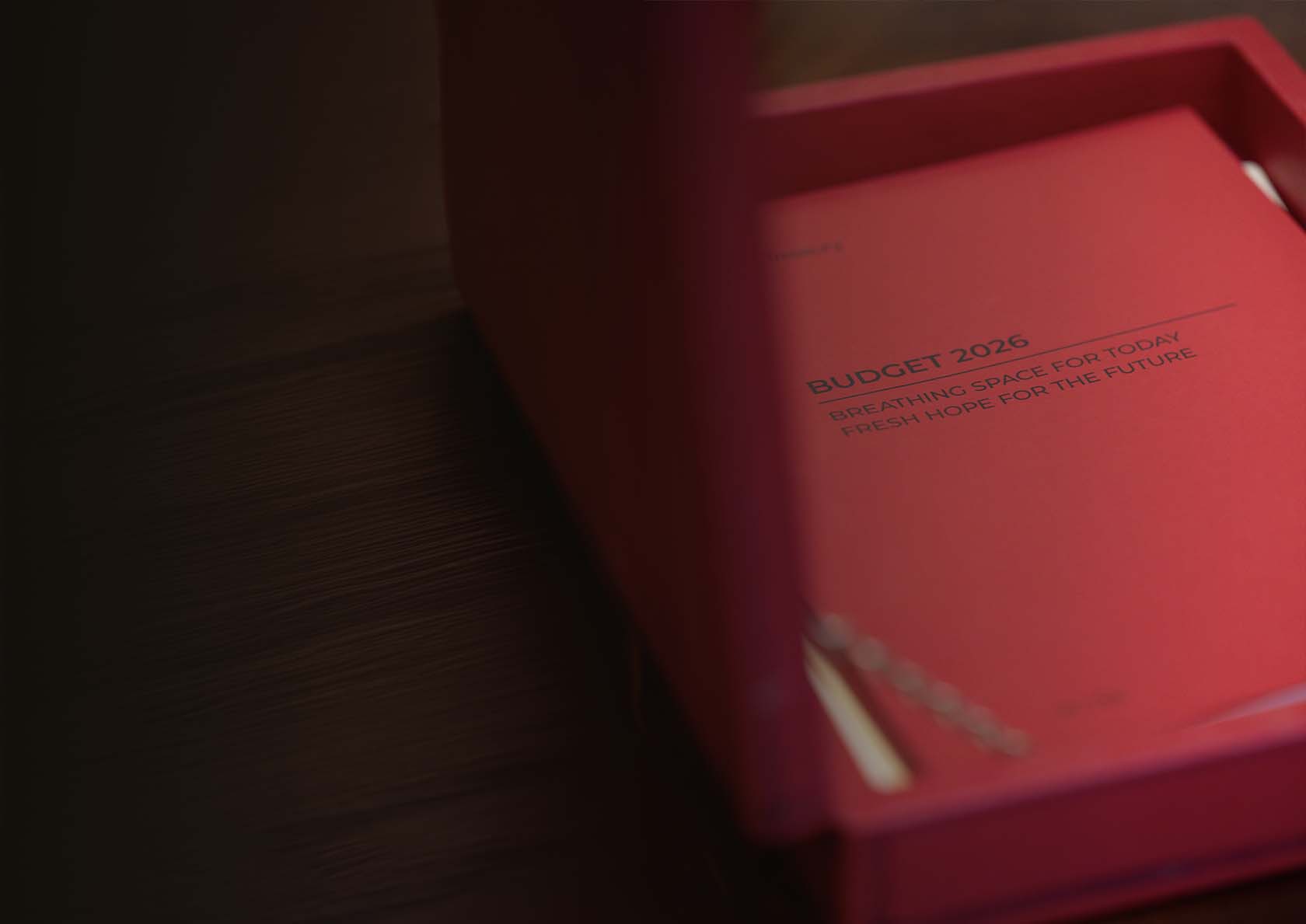
Budget 2026 – Breathing Space for today, Fresh hope for the future
This article is intended for general guidance and information only and is based on the opinion of Continuum it does not constitute financial advice. Individual circumstances vary, and you should consider seeking advice from a regulated financial adviser before making any financial decisions.
The Financial Conduct Authority does not regulate taxation advice
Investors in ISAs do not pay any personal tax on income or gains. Levels and basis of reliefs from taxation are subject to change and their value depends upon your personal circumstances
The value and returns of an investment are not guaranteed, investors may lose some or all of their investment. When investing Capital is at risk.
A pension is a long-term investment; the fund value can go down as well as up and this can impact the level of pension benefits available. Pension Income could also be affected by interest rates at the time benefits are taken. Pension savings are at risk of being eroded by inflation.
What does this mean for your money?
Economic changes affect everyone differently depending on their financial situation. Find out how Continuum can help you make sense of what it means for you.
See how we can help